 LICENSE #CO88900054
Table of Contents
If you’ve ever dealt with a slow kitchen drain, garbage disposal issues, recurring clogs, or unpleasant odors coming from your sink, you already know how frustrating kitchen plumbing problems can be. For many homeowners, the first instinct is to install a drain strainer or try a DIY fix and hope the problem goes away. Sometimes that works… at least for a while. But in many homes, especially those with heavy cooking habits or older plumbing, the real issue runs much deeper than what a strainer can catch.
This is where confusion often sets in. Homeowners hear about grease traps, drain strainers, grease interceptors, drain cleaners, and all sorts of plumbing gadgets, but they’re not always sure what each one actually does, or which one they need.
This guide will walk you through the real differences between grease traps and drain strainers, explain what each one can and can’t do, and help you understand when a simple DIY solution is enough versus when it’s time to call a professional. Along the way, we’ll also explain how trusted local Indianapolis plumbing services can help protect your home from serious and expensive plumbing damage.
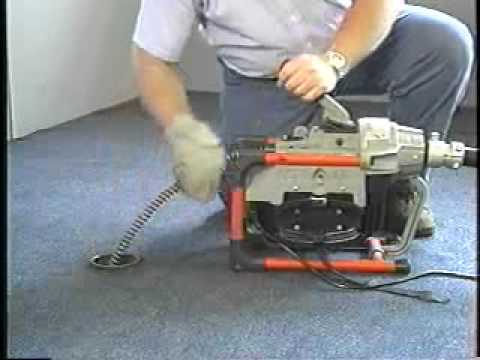
Why Kitchen Sinks Clog in the First Place
Before comparing grease traps and drain strainers, it helps to understand why kitchen drains clog so often.
Most homeowners assume food scraps or food solids are the main culprit, and while they are part of the problem, grease is usually the real villain. When fats, oils and grease go down your drain, they may look harmless in liquid form. But as they cool inside your pipes, they solidify and stick to the pipe walls. Over time, layer after layer builds up, narrowing the pipe and trapping other debris like food particles, food waste, coffee grounds, and soap residue.
Eventually, this buildup leads to:
- Slow drains
- Recurring clogs
- Gurgling noises
- Foul odors
- Complete blockages
In severe cases, fats, oils, grease buildup can even contribute to pipe corrosion, septic system, or sewer system issues.
What Is a Drain Strainer?
A drain strainer is the small, inexpensive device that sits over or inside your sink drain opening. Most homeowners are already familiar with these.
What a Drain Strainer Does:
A drain strainer’s job is simple… it catches food solids before they goes down the drain.
This typically includes:
- Food scraps
- Rice or pasta
- Vegetable peels
- Eggshells
- Small bits of trash
By stopping these solids, a drain strainer helps reduce the chance of immediate clogs close to the sink.
What a Drain Strainer Does NOT Do:
This is where many homeowners get a false sense of security.
A drain strainer:
- Does not stop grease
- Does not stop oils or fats
- Does not prevent buildup inside your pipes
- Does not protect your main drain or sewer line
Grease flows right through a strainer in liquid form and begins causing problems farther down the system–where you can’t see it and can’t easily fix it yourself.
Typical Use Cases for Drain Strainers
Drain strainers are great for:
- Everyday kitchen use
- Homes that already practice good grease disposal habits
- Preventing sudden, obvious sink clogs
- Reducing how often you need minor drain cleaning
They’re simple, cheap, and useful, but they’re only a first line of defense.
What Is a Grease Trap?
A grease trap is a completely different kind of system.
Instead of sitting at the sink opening, a grease trap is installed in the plumbing line itself; typically either under the sink or in a nearby location. Its purpose is to intercept wastewater and separate fats, oils and grease before they enter your main drain or sewer system.
How a Grease Trap Works:
A grease trap works by slowing down the flow of water. As wastewater enters the trap:
- Grease and oils float to the top
- Solid food particles sink to the bottom
- Cleaner water flows out through the middle and continues into the drain system
The trapped grease stays in the unit and must be periodically removed and cleaned out.
Aren’t Grease Traps Just for Restaurants?
That’s a very common belief–and it’s partly true.
Grease traps are required in commercial kitchens because restaurants produce huge amounts of grease and must comply with local ordinances and the health department. But that doesn’t mean they’re useless in residential settings.
Some homes benefit greatly from grease traps, especially:
- Homes that cook frequently with oils and fats
- Homes with older plumbing systems
- Homes with recurring grease-related clogs
- Homes that have already had major drain or sewer backups
- Multi-family homes or rental properties
In these situations, a grease trap can protect the entire plumbing system, not just the kitchen sink.
The Core Difference: Grease Trap vs. Drain Strainer
Here’s the simplest way to think about it:
A drain strainer protects the opening of your drain. A grease trap protects your entire plumbing system.
Key Differences in Function
Drain strainers are simple devices that sit directly at the sink opening. They catch visible solid debris like food scraps before it goes down the drain. They are inexpensive, easy to install, and a popular DIY solution. However, they do nothing to stop grease from flowing into your pipes and building up over time.
On the other hand, grease traps are designed to capture fats, grease, and oil before they enter your plumbing or sewer system. They are installed directly into the plumbing line rather than at the sink opening. Because of their placement and function, they require professional installation and regular maintenance. When properly maintained, they protect your pipes, drains, and even your sewer line from long-term damage and costly blockages.
What Types of Clogs Each One Prevents
Drain strainers help prevent sudden sink clogs caused by food scraps or small objects accidentally falling into the drain. They’re also useful for stopping shallow, easy-to-clear blockages that happen close to the sink opening.
Grease traps, on the other hand, help prevent much deeper and more serious plumbing problems. They stop grease buildup inside pipes, reduce recurring slow drains, protect against main line blockages, prevent sewer backups, and eliminate the sludge accumulation that causes foul odors.
The Hidden Dangers of Grease Buildup
Grease doesn’t just cause slow drains. Over time, it can:
- Narrow pipes dramatically
- Trap bacteria and cause odors
- Increase pressure in the plumbing system
- Contribute to corrosion and pipe failure
- Lead to expensive emergency repairs
- Cause backups into sinks or even floors
In extreme cases, grease buildup can contribute to sewer line damage–something that goes far beyond a simple kitchen clog and requires professional intervention, sometimes even major repairs.
Cost Considerations (Without Talking Prices)
Drain strainers are cheap and require almost no investment. But they also offer very limited protection.
Grease traps cost more upfront and require periodic cleaning, but they:
- Reduce emergency plumbing calls
- Protect expensive pipe systems
- Lower long-term maintenance costs
- Prevent major backups and damage
It’s the difference between a small preventative tool and a long-term protective system.
Maintenance: What Homeowners Often Get Wrong
One of the most common mistakes homeowners make with drain strainers is letting them overflow before emptying them. Many people also assume that a strainer stops grease, which it doesn’t, or believe that having one means they can rinse anything down the sink without consequences.
Grease traps come with their own set of mistakes, most often forgetting to clean them or letting them overflow back into the plumbing system. Some homeowners also treat them like a “set it and forget it” device, which leads to problems. A grease trap only works properly if it’s regularly maintained and emptied as needed.
Signs You’ve Outgrown the Drain Strainer Solution
If you’re experiencing any of the following, a strainer alone is no longer enough:
- Repeated kitchen clogs
- Slow drains that keep coming back
- Gurgling sounds from the sink
- Grease odors from the drain
- Previous professional drain cleanings that didn’t permanently fix the issue
At this point, the problem is in the pipes… not at the sink opening.
When DIY Stops Working
DIY drain cleaners, plungers, and snakes can sometimes help in the short term. But they:
- Don’t remove grease coating inside pipes
- Don’t fix recurring buildup
- Don’t prevent future clogs
- Can sometimes damage pipes
If your kitchen drain problems keep returning, it’s time for professional help.
When to Call a Professional Plumber
You should call a plumber if your kitchen drain clogs repeatedly, multiple drains in your home are slow, or you start to notice grease or sewage odors coming from your sink. Water backing up into the sink or dishwasher is another clear warning sign, especially if DIY solutions no longer work or only provide temporary relief. This is where a professional inspection makes all the difference.
A licensed plumber can inspect your pipes to identify grease buildup or hidden blockages and determine whether a grease trap would make sense for your home. They can also perform deep, professional cleaning safely and address the root cause of the problem, helping prevent much bigger and more expensive plumbing issues in the future.
How Carter’s My Plumber Helps Homeowners
This is where working with a trusted local expert matters for professional drain cleaning in Indianapolis.
Carter’s My Plumber provides full-service kitchen and drain diagnostics through our Indianapolis plumbing services. We don’t just clear clogs–we identify why they keep happening.
For homes with recurring grease issues, we can:
- Inspect the plumbing system
- Perform professional drain cleaning in Indianapolis
- Recommend whether a grease trap makes sense
- Install and maintain grease traps
- Resolve deep pipe buildup safely
Our goal is not a quick fix–it’s long-term protection of your plumbing system.
Protecting Your Plumbing, Not Just Your Sink
Kitchen plumbing problems rarely start at the drain opening–and they almost never end there. While drain strainers are useful tools, they only address a small part of a much bigger system.
Grease traps, professional inspections, and proper maintenance protect your entire home’s plumbing–not just one sink.
If you’re tired of dealing with the same clogs and slow drains, it may be time to stop treating the symptom and start fixing the cause.
A professional assessment can tell you exactly what your home needs–and save you from much bigger repairs down the road. Reach out to the team at Carter’s My Plumber today and get peace of mind.
FAQ
- What is the main difference between a grease trap and a drain strainer? A drain strainer catches solid debris at the sink, while a grease trap captures grease inside the plumbing system before it causes buildup and blockages.
- Do homeowners really need a grease trap or is that only for restaurants? Most homes don’t require one, but homes with frequent grease-related clogs or older plumbing can benefit greatly from one.
- Can a drain strainer stop grease from clogging pipes? No. Grease flows through strainers in liquid form and solidifies inside the pipes.
- What happens if grease goes down the drain regularly? It builds up inside pipes, traps debris, causes odors, slows drainage, and eventually leads to serious clogs or backups.
- How often should a grease trap be cleaned? That depends on usage, but most residential systems need periodic cleaning to stay effective.
- Are grease traps allowed or required in residential homes? They’re usually not required, but they are allowed and sometimes recommended for problem plumbing systems.
- Why does my kitchen drain smell even with a strainer installed? Because grease and sludge buildup inside the pipes (not visible debris) is usually the cause of odors.
- When should I call a plumber instead of trying another DIY solution? If clogs keep coming back, drains are slow throughout the house, or odors and backups appear, it’s time for professional diagnosis.